
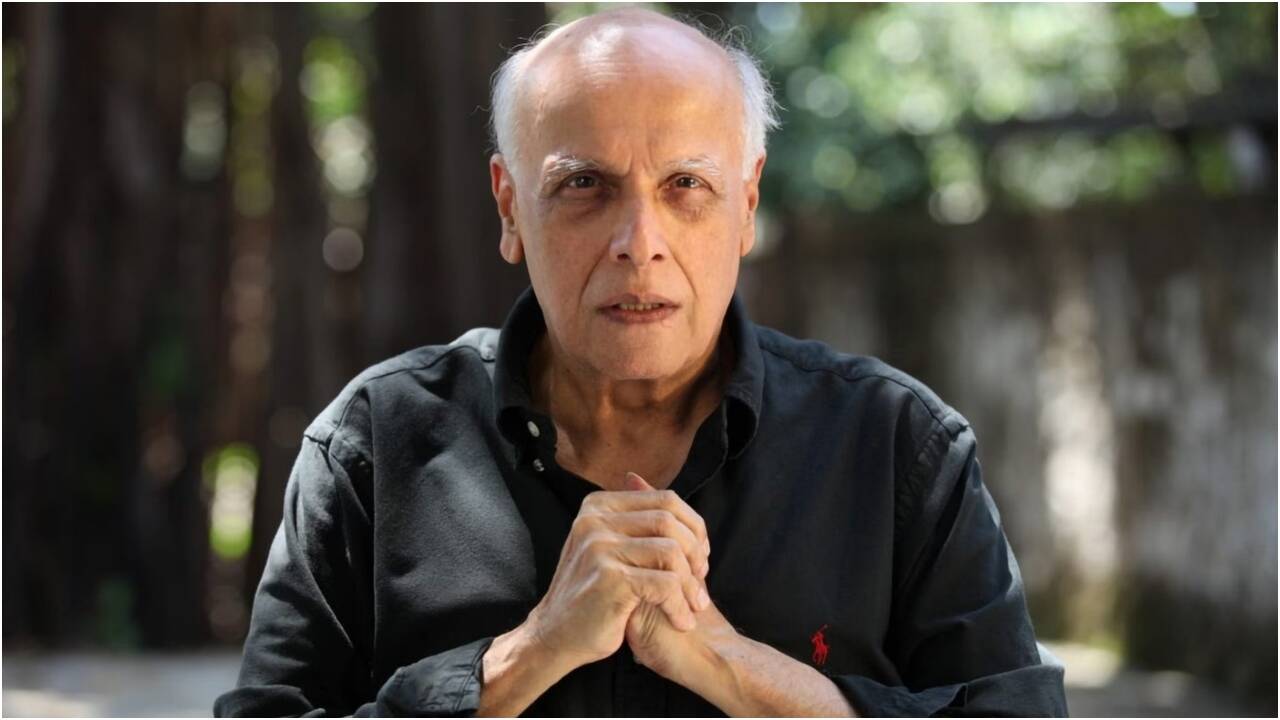
Few films in Indian cinema carry the weight of personal trauma and political defiance quite like Zakhm (1998). Directed by Mahesh Bhatt, the film wasn’t just another project—it was a raw, unfiltered reflection of his own life, a cinematic catharsis that dared to confront the communal tensions tearing at the nation’s fabric. But what should have been a straightforward release turned into a months-long ordeal, a battle with censorship that revealed the fragility of artistic freedom under the NDA government.
The Censorship Gauntlet
In a recent recollection, Bhatt pulled back the curtain on the harrowing experience of getting Zakhm past the Central Board of Film Certification (CBFC). The film, which explored the aftermath of the 1993 Bombay riots through the lens of a man grappling with his Hindu-Muslim identity, was deemed too provocative for its time. The CBFC, then headed by the legendary Asha Parekh, didn’t just raise objections—they suggested something far more alarming.
“They told me, ‘Mahesh, if you want this film to see the light of day, you’ll need clearance from Bal Thackeray or L.K. Advani.’”
— Mahesh Bhatt
The implication was clear: Zakhm wasn’t just a film; it was a political statement, one that required the blessings of the very forces it critiqued. For Bhatt, this wasn’t just censorship—it was a demand for ideological surrender. The fact that a film about communal harmony needed the approval of figures synonymous with divisive politics was a bitter irony, one that underscored the precarious state of creative expression in the late '90s.
A Box Office Flop That Became a Cult Classic
When Zakhm finally hit theaters, it was met with a lukewarm response. The film underperformed at the box office, a victim of its own uncompromising narrative and the political climate of the time. Audiences, perhaps unprepared for its brutal honesty, stayed away in droves. But art has a way of outlasting its initial reception.
Over the years, Zakhm has been rediscovered, its themes of identity, guilt, and reconciliation resonating with new generations. Today, it stands as a cult classic, a film that was ahead of its time—and perhaps too honest for its own good. Its exploration of religious identity and the scars of communal violence feels eerily prescient in an era where these same divisions continue to fester.
Why Zakhm Still Matters
More than two decades after its release, Zakhm remains a mirror to society’s unresolved conflicts. The film’s journey—from censorship battles to cult status—is a testament to the power of cinema to challenge, provoke, and endure. Bhatt’s personal investment in the story gave it an authenticity that transcends its era, making it a timeless piece of art.
In a world where artistic freedom is still under threat, Zakhm serves as a reminder: the most important stories are often the hardest to tell. And sometimes, the films that struggle the most to be seen are the ones we need the most.
What do you think? Have you watched Zakhm? How do you see its themes holding up in today’s political climate? Share your thoughts in the comments below!
---
This email was sent automatically with n8n