
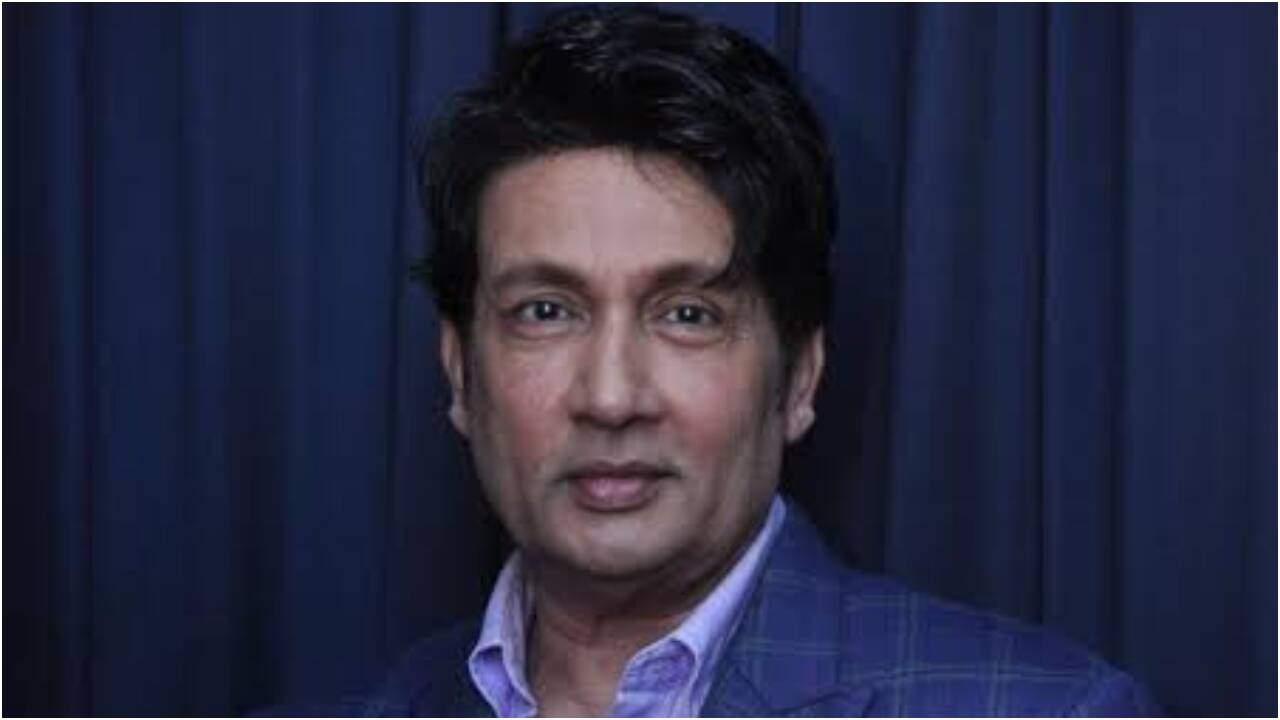
In a television landscape often crowded with promotional chatter and carefully managed celebrity appearances, Shekhar Suman brought a sharper, more urgent tone to Shekhar Tonite with an opening monologue that directly addressed the police action against student protesters at Delhi’s Jantar Mantar.
The actor-host did not treat the subject as a passing headline. Instead, he framed it as a deeply emotional national moment, calling the visuals and reports from the protest site heartbreaking. Suman spoke of sleepless nights and tear-filled distress, suggesting that the crackdown had shaken him not just as a public figure, but as a citizen.
A Monologue With Moral Weight
What made the segment stand out was its old-school theatrical force. Shekhar Suman has always had a flair for dramatic delivery, and here that quality was channelled into social commentary. He questioned the use of force against students and protesters, asking what kind of democracy responds to dissent with intimidation.
In invoking the Mahabharata, Suman leaned into one of India’s most familiar moral epics, using it as a metaphor for power, justice, and the responsibility of those in authority. The reference gave his monologue a cultural and philosophical weight, turning a news reaction into something closer to a public appeal.
Solidarity Beyond the Studio
This was not an isolated moment of concern from Suman. He had earlier voiced support for Sonam Wangchuk’s hunger strike, aligning himself with causes that speak to student rights, civil action, and democratic accountability.
The issue has also drawn attention from major Bollywood figures. Stars including Salman Khan and Alia Bhatt have reportedly expressed support, showing how the conversation has moved beyond activist circles and entered the wider cultural mainstream.
When Entertainment Becomes Conscience
As a piece of television, the monologue reminded viewers of a time when hosts were not afraid to mix entertainment with conscience. In cinema and popular culture, stars often become symbols of escapism. But moments like this reveal another side of celebrity influence: the ability to amplify discomfort, grief, and moral questioning.
Shekhar Suman’s words may not change policy overnight, but they contribute to a larger public conversation. And in an era where silence is often interpreted as safety, his decision to speak with visible emotion gave Shekhar Tonite a rare sense of urgency.
Verdict: This was not just an opening monologue; it was a statement. Shekhar Suman used his platform to place empathy and dissent at the centre of the screen, proving once again that popular culture can still hold a mirror to power.
---
This email was sent automatically with n8n