
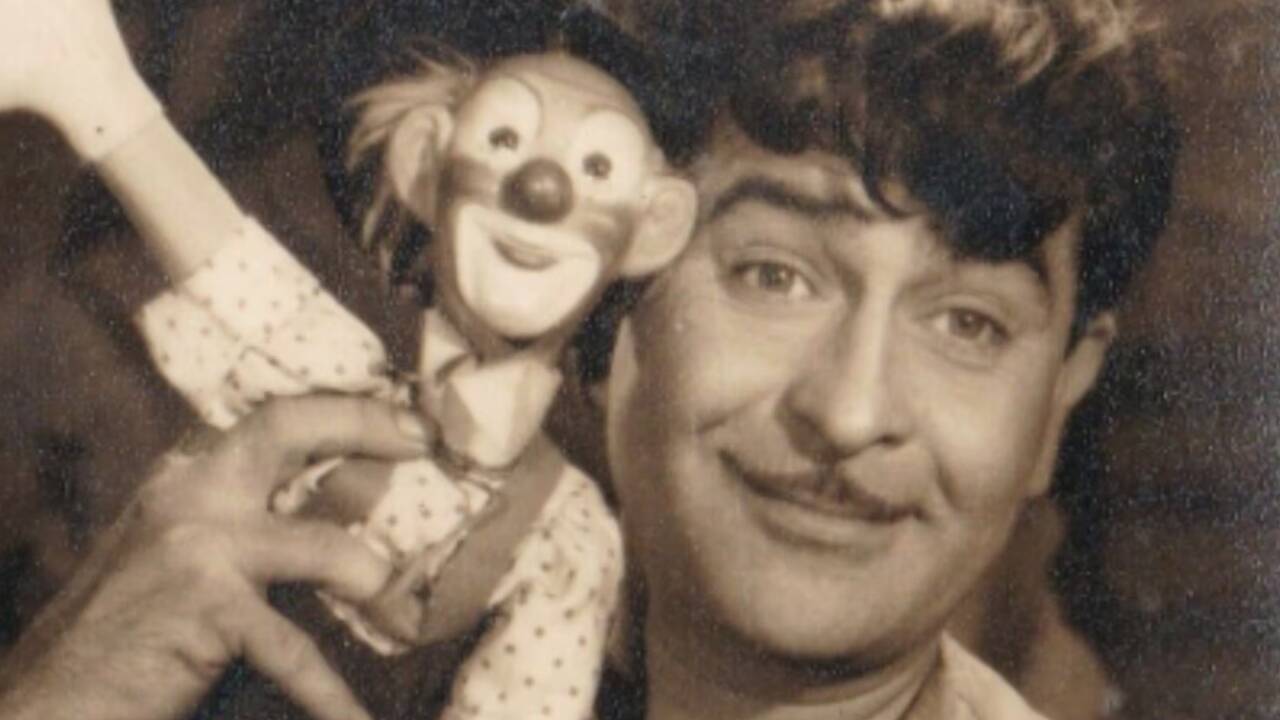
Few films in Hindi cinema carry the weight of artistic obsession quite like Mera Naam Joker. Raj Kapoor’s ambitious epic was not merely a movie; it was a deeply personal statement from a filmmaker who believed cinema could be grand, vulnerable, philosophical, and painfully honest all at once.
The stories surrounding the making of Mera Naam Joker have become almost as legendary as the film itself. Raj Kapoor reportedly mortgaged his wife’s bangles to finance the project, a detail that reveals the enormous personal and emotional stakes involved. This was not a calculated commercial gamble. It was an artist putting everything he had—his money, reputation, and family’s security—behind a vision he refused to compromise.
One of the most telling moments came when Manoj Kumar suggested that Raj Kapoor trim the film’s lengthy runtime. From a practical perspective, the advice made sense. A shorter film may have had better chances with audiences and exhibitors. But Kapoor, convinced of the emotional rhythm and narrative scale of his creation, chose not to cut it down.
That refusal says everything about Raj Kapoor the filmmaker. He was not interested in making a safer version of Mera Naam Joker. He wanted the audience to experience the full journey of a clown whose laughter hides heartbreak, whose performances mask loneliness, and whose life becomes a metaphor for the artist himself.
Unfortunately, passion does not always translate into box office success. When Mera Naam Joker released, it failed commercially, leaving Raj Kapoor under substantial financial debt. For a filmmaker of his stature, the setback was devastating. Yet, in retrospect, the failure feels less like a defeat and more like proof of how far Kapoor was willing to go for cinema.
There is also a fascinating parallel here with Manoj Kumar’s own commitment to Kranti. Like Kapoor, Manoj Kumar understood what it meant to stake everything on a film that carried personal conviction. Both men belonged to a generation of filmmakers for whom cinema was not just entertainment—it was legacy, ideology, and identity.
Today, Mera Naam Joker is remembered with far more respect than it received during its initial release. Its emotional ambition, its autobiographical echoes, and Raj Kapoor’s unwavering dedication have helped it earn a unique place in Indian film history.
As a film critic, one can argue that Mera Naam Joker may have been too long for its time, but it was never too small in spirit. It remains a monument to the dangerous beauty of artistic conviction—the kind that can break a filmmaker financially, yet make him immortal creatively.
---
This email was sent automatically with n8n