
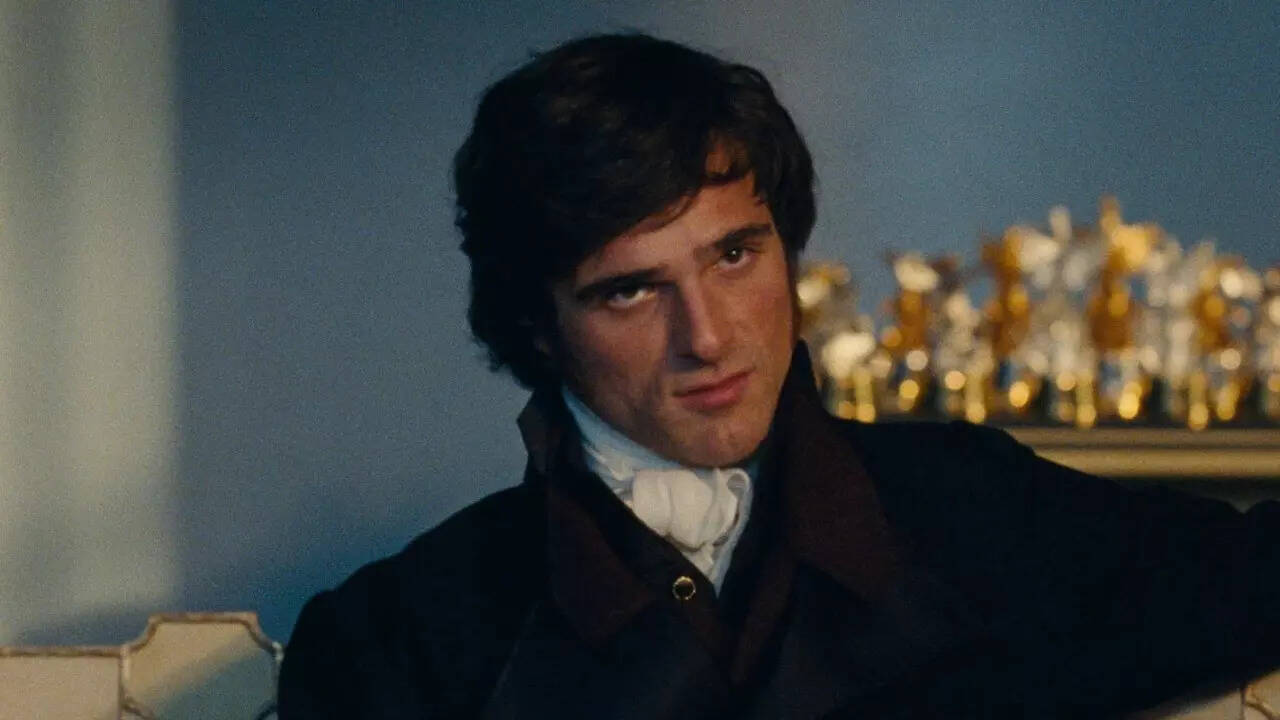
# Is Jacob Elordi the Perfect Heathcliff? Why *Wuthering Heights* Casting Sparks Endless Debate **Imagine Heathcliff, the brooding anti-hero of Emily Brontë's *Wuthering Heights*, storming across the moors—not as the dark-skinned outsider described in the novel, but as a tall, white Australian heartthrob.** This is the firestorm ignited by Emerald Fennell's latest adaptation, starring Jacob Elordi alongside Margot Robbie as Catherine Earnshaw, and it's dividing fans, scholars, and social media like never before[1][2][3]. The controversy boils down to Heathcliff's ambiguous racial identity in Brontë's 1847 text. Described as a "dark-skinned gypsy" with features hinting at non-white heritage—possibly Black, mixed-race, or from Liverpool's diverse underbelly—many argue the character was never meant to be white[1][3]. Literary experts point to clues like his "swarthy" skin and outsider status, suggesting Brontë drew from real-world prejudices against racial "others" in Victorian England[1]. Fennell's choice of Elordi, fresh off *Saltburn*, has been slammed as whitewashing, especially after Andrea Arnold's 2011 film cast multiracial James Howson in the role to honor that interpretation[1][2]. Yet, director Fennell brushes off the backlash, focusing on the story's "sado-masochistic elements" and timeless appeal, insisting adaptations can evolve beyond strict fidelity[2]. Casting director Kharmel Cochrane echoes this, retorting, "It's just a book... It's all art," urging audiences to judge the film first[2]. Scholars remain split: some see Heathcliff as definitively non-white by Victorian (and modern) standards, while others debate if Brontë's intent was clear or influenced by her sister's works like *Jane Eyre*[3]. Even the film's young Heathcliff, played by white British actor Owen Cooper, doubles down on the visual choice, prioritizing Fennell's "fantasy" vision over textual literalism[3]. Adding fuel, Margot Robbie's blonde, 30-something Cathy strays from the brunette teen in the book, amplifying cries of miscasting[1]. Online outrage compares it to recent scandals, like Odessa A'Zion stepping away from a Latina role amid backlash—why hasn't Elordi done the same?[2]. But after screenings, some reviews concede the pairing works on screen, turning Heathcliff into an irresistible object of desire in Fennell's whitewashed yet magnetically twisted world[3]. This debate isn't new—*Wuthering Heights* has been adapted countless times, each sparking fights over authenticity versus artistic license. Does fidelity to Brontë's "othered" Heathcliff matter in 2026, or is Fennell's bold take a fresh breath for a gothic classic?[1][3]

Misty moors of Wuthering Heights – the perfect backdrop for Heathcliff's turmoil. (Unsplash)
Citations
1.https://www.slashfilm.com/2099925/jacob-elordi-wuthering-heights-movie-casting-controversy-explained/
2.https://www.ladbible.com/entertainment/film/wuthering-heights-jacob-elordi-emerald-fennell-casting-heathcliff-269171-20260129
3.https://www.refinery29.com/en-us/wuthering-heights-movie-review-heathcliff-controversy
4.
5.
6.
7.
8.
9.
---
This email was sent automatically with n8n